Field Notes
Building on acreage in Texas: a homesite buyer's checklist
 Carol Jukes
·
Carol Jukes
·
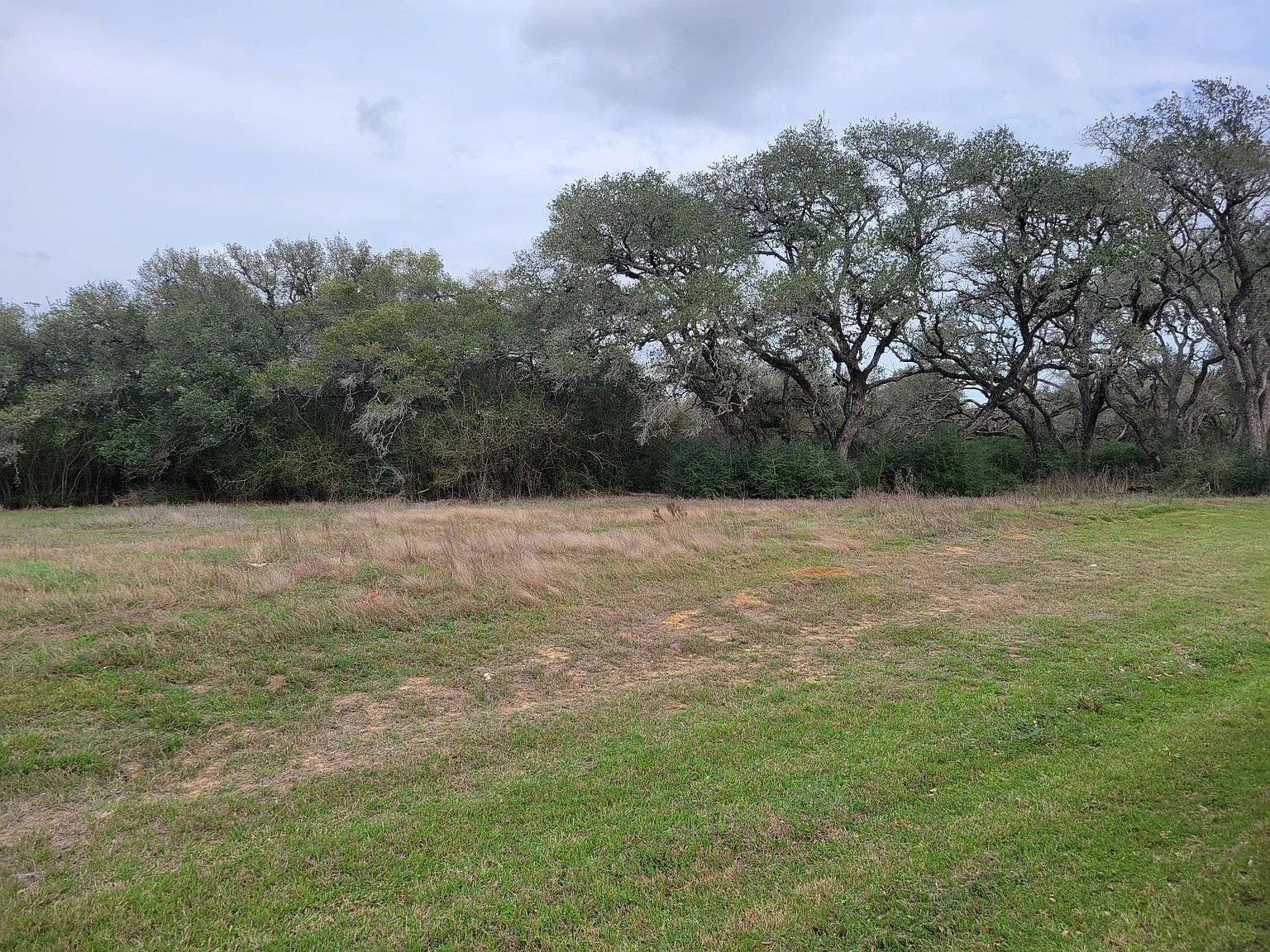
Buying raw land is different from buying a house. There is no floor plan to tour and no finished kitchen to imagine, so the questions you ask are about what is under the ground, what is already at the lot line, and what it will actually take to build. Here is the checklist Carol walks through with every homesite buyer.
1. Utilities: what is already there?
The single most important question is what is already on or near the lot. Some acreage is truly raw, meaning you plan for water, septic, and power from scratch. Others, like homesites in Wild Wing Preserve, come with paved roads and underground utilities, including electricity, already in place. That difference changes both your timeline and your budget.
Ask specifically about electricity, water, and how wastewater will be handled. If the community has underground utilities, confirm the service point and any connection fees before you commit.
2. Internet: can you actually work from there?
For many buyers, high-speed internet is no longer optional. If you work remotely, teach online, or just stream and game like everyone else, find out what is available before you fall in love with a view. Fiber availability is a real differentiator among acreage communities, and it is one of the reasons Wild Wing Preserve appeals to buyers who want country living without giving up connectivity.
3. Gated communities and deed restrictions
A gated acreage community brings security, privacy, and a maintained standard across the neighborhood. Deed restrictions usually govern what you can build, how far structures sit from the road, and sometimes the style of home. Read them carefully. They protect your investment, but they also set the rules, so make sure you can live with them.
4. The shape of the land
A lot that looks generous on a map can surprise you on the ground. Walk the frontage, the rear, and the depth. Look at how the usable ground sits relative to trees, ponds, and low areas. At 324 Shorebird Ln, the roughly 170 feet of frontage, 185 feet across the rear, and nearly 470 feet of depth leave room for a custom home, a shop, and outdoor living while keeping the tree line and pond intact.
5. Financing land is its own animal
Land loans often carry different terms than a mortgage on a house, with higher down payments and shorter terms. Some buyers purchase the lot in cash and finance the build, while others use a construction-to-permanent loan once plans are ready. Talk to a lender who handles land and construction financing early, so the numbers are clear before you make an offer.
6. Only a site visit answers the rest
Photos and maps tell you a lot, but the feel of the land, the quiet, the way the light falls, and the neighbors you might meet are things you can only judge in person. Come walk the lot, stand at the frontage, and look out over the open ground. If it feels right on the ground, it is probably right.
Carol would be glad to walk 324 Shorebird Ln with you and talk through what building there would take. Reach out anytime.